KIR3DL1 (Gene)

Synonyms:CD158E1, ENTREZ:3811, HGNC:6338, KIR, KIR2DL5B, KIR3DL1, KIR3DL1/S1, MIM:604946, NKAT-3, NKAT3, NKB1, NKB1B, NM_001322168, NM_013289, NP_001309097, NP_037421, XM_017030274, XP_016885763, killer cell immunoglobulin like receptor, three Ig domains and long cytoplasmic tail 1
Id:ENSG00000278856
Description:killer cell immunoglobulin like receptor, three Ig domains and long cytoplasmic tail 1 [Source:HGNC Symbol;Acc:HGNC:6338]
Killer cell immunoglobulin-like receptors (KIRs) are transmembrane glycoproteins expressed by natural killer cells and subsets of T cells. The KIR genes are polymorphic and highly homologous and they are found in a cluster on chromosome 19q13.4 within the 1 Mb leukocyte receptor complex (LRC). The gene content of the KIR gene cluster varies among haplotypes, although several "framework" genes are found in all haplotypes (KIR3DL3, KIR3DP1, KIR3DL4, KIR3DL2). The KIR proteins are classified by the number of extracellular immunoglobulin domains (2D or 3D) and by whether they have a long (L) or short (S) cytoplasmic domain. KIR proteins with the long cytoplasmic domain transduce inhibitory signals upon ligand binding via an immune tyrosine-based inhibitory motif (ITIM), while KIR proteins with the short cytoplasmic domain lack the ITIM motif and instead associate with the TYRO protein tyrosine kinase binding protein to transduce activating signals. The ligands for several KIR proteins are subsets of HLA class I molecules; thus, KIR proteins are thought to play an important role in regulation of the immune response. [provided by RefSeq, Jul 2008]

Analyze

Data Distillery
CFDE DD-Knowledge Graph

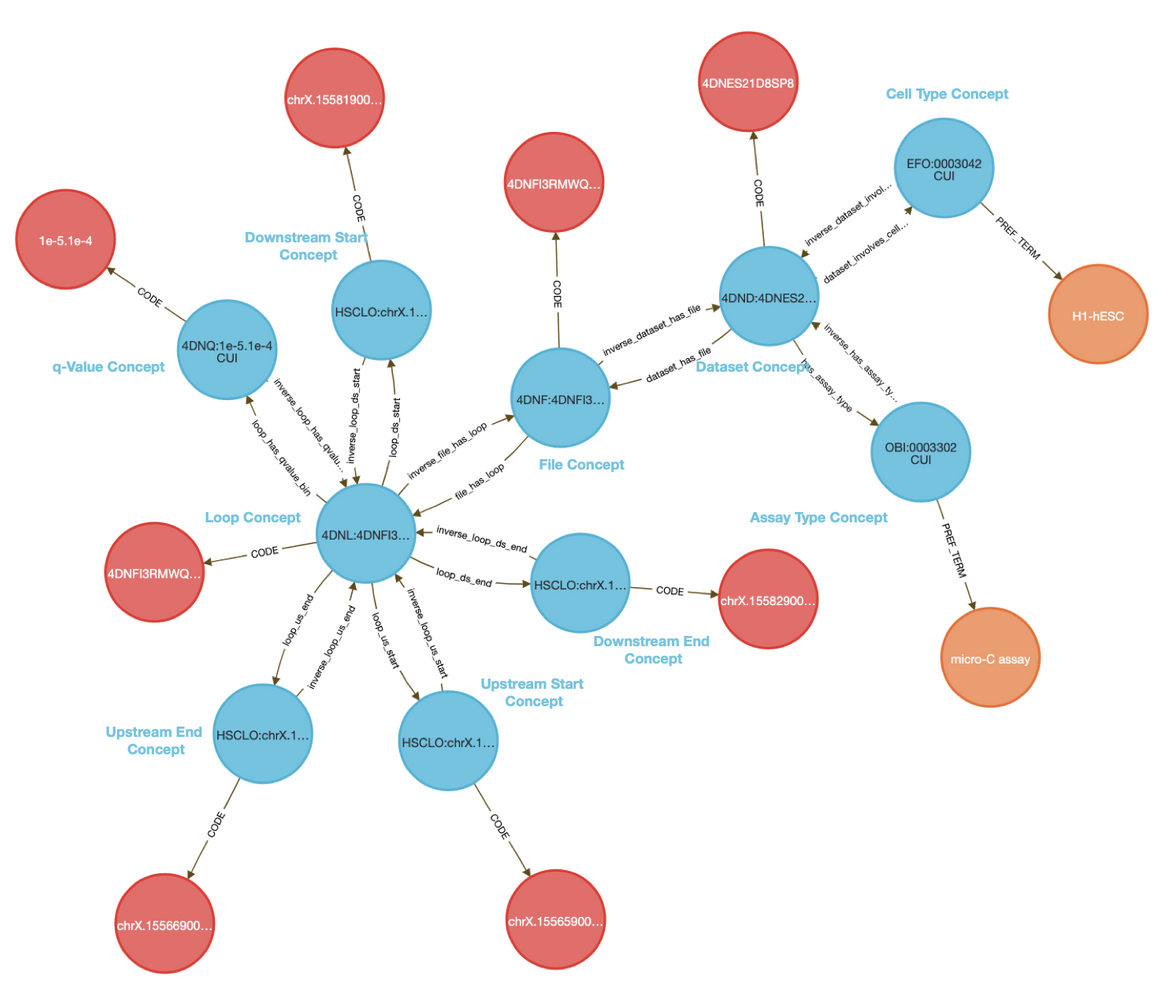
The CFDE Data Distillery Knowledge Graph contains entities and relationships across the CFDE. View KIR3DL1's neighborhood in the knowledge graph.
Playbook Workflow Builder
Playbook Workflow Builder: Gene-Centric Workflow

View Gene-Centric information about the gene from a pre-built PWB workflow. View the workflow with KIR3DL1.

Gene Partnership Appyter
CFDE Gene-Centric Appyter

The CFDE Gene Centric Appyter Resolves and Displays Gene-Centric information from CFDE APIs. Execute the Appyter using KIR3DL1.

Gene and Drug Landing Page Aggregator
GDLPA Landing Pages Links

The Gene and Drug Landing Page Aggregator (GDLPA) finds links to primary and secondary source information from CFDE and other resources. Discover landing pages for KIR3DL1.

Playbook Workflow Builder

The Playbook Workflow Builder helps you interactively construct workflows leveraging CFDE APIs without code. Start a new workflow with KIR3DL1.

Results found

Linked to


Label

Description


Phenotype

A nonspecific term referring to disease or damage of the kidneys.

Phenotype

Hard, pebble-like deposits that form within the gallbladder.

Phenotype

Atopic dermatitis (AD) or atopic eczema is an itchy, inflammatory skin condition with a predilection...

Phenotype

The presence of chronic increased pressure in the systemic arterial system.

Phenotype

Severe weight loss, wasting of muscle, loss of appetite, and general debility related to a chronic d...

Phenotype

Eczema is a form of dermatitis that is characterized by scaly, pruritic, erythematous lesions locate...

Phenotype

Noticeably unpleasant odors exhaled in breathing.

  • Phenotype

    A nonspecific term referring to disease or damage of the kidneys.


  • Phenotype

    Hard, pebble-like deposits that form within the gallbladder.


  • Phenotype

    Atopic dermatitis (AD) or atopic eczema is an itchy, inflammatory skin condition with a predilection...


  • Phenotype

    The presence of chronic increased pressure in the systemic arterial system.


  • Phenotype

    Severe weight loss, wasting of muscle, loss of appetite, and general debility related to a chronic d...


  • Phenotype

    Eczema is a form of dermatitis that is characterized by scaly, pruritic, erythematous lesions locate...


  • Phenotype

    Noticeably unpleasant odors exhaled in breathing.

  • DISPLAY PER PAGE
    This repository is under review for potential modification in compliance with Administration directives.