ADGRL3 (Gene)

Synonyms:ADGRL3, CIRL3, CL3, ENTREZ:23284, HGNC:20974, LEC3, LPHN3, MIM:616417, NM_001322246, NM_001322402, NM_001371342, NM_001371343, NM_001371344, NM_001371345, NM_001371346, NM_001387522, NM_001387523, NM_001387524, NM_001387525, NM_001387526, NM_001387527, NM_001387528, NM_001387529, NM_001387530, NM_001387531, NM_001387532, NM_001387533, NM_001387534, NM_001387535, NM_001387536, NM_001387537, NM_001387538, NM_001387539, NM_001387540, NM_001387541, NM_001387542, NM_001387543, NM_001387544, NM_001387545, NM_001387546, NM_001387547, NM_001387548, NM_001387549, NM_001387552, NM_015236, NP_001309175, NP_001309331, NP_001358271, NP_001358272, NP_001358273, NP_001358274, NP_001358275, NP_001374451, NP_001374452, NP_001374453, NP_001374454, NP_001374455, NP_001374456, NP_001374457, NP_001374458, NP_001374459, NP_001374460, NP_001374461, NP_001374462, NP_001374463, NP_001374464, NP_001374465, NP_001374466, NP_001374467, NP_001374468, NP_001374469, NP_001374470, NP_001374471, NP_001374472, NP_001374473, NP_001374474, NP_001374475, NP_001374476, NP_001374477, NP_001374478, NP_001374481, NP_056051, XM_011531788, XM_011531791, XM_017007929, XM_017007930, XM_017007931, XM_017007932, XM_017007933, XM_017007934, XM_017007935, XM_017007936, XM_017007937, XM_017007938, XM_017007939, XM_017007940, XM_017007941, XM_017007942, XP_011530090, XP_011530093, XP_016863418, XP_016863419, XP_016863420, XP_016863421, XP_016863422, XP_016863423, XP_016863424, XP_016863425, XP_016863426, XP_016863427, XP_016863428, XP_016863429, XP_016863430, XP_016863431, adhesion G protein-coupled receptor L3
Omim:OMIM:616417
Nci:C150273
Id:ENSG00000150471
Hgnc:HGNC:20974
Entrez:23284
Description:adhesion G protein-coupled receptor L3
This gene encodes a member of the latrophilin subfamily of G-protein coupled receptors (GPCR). Latrophilins may function in both cell adhesion and signal transduction. In experiments with non-human species, endogenous proteolytic cleavage within a cysteine-rich GPS (G-protein-coupled-receptor proteolysis site) domain resulted in two subunits (a large extracellular N-terminal cell adhesion subunit and a subunit with substantial similarity to the secretin/calcitonin family of GPCRs) being non-covalently bound at the cell membrane. [provided by RefSeq, Jul 2008]

Analyze

Data Distillery
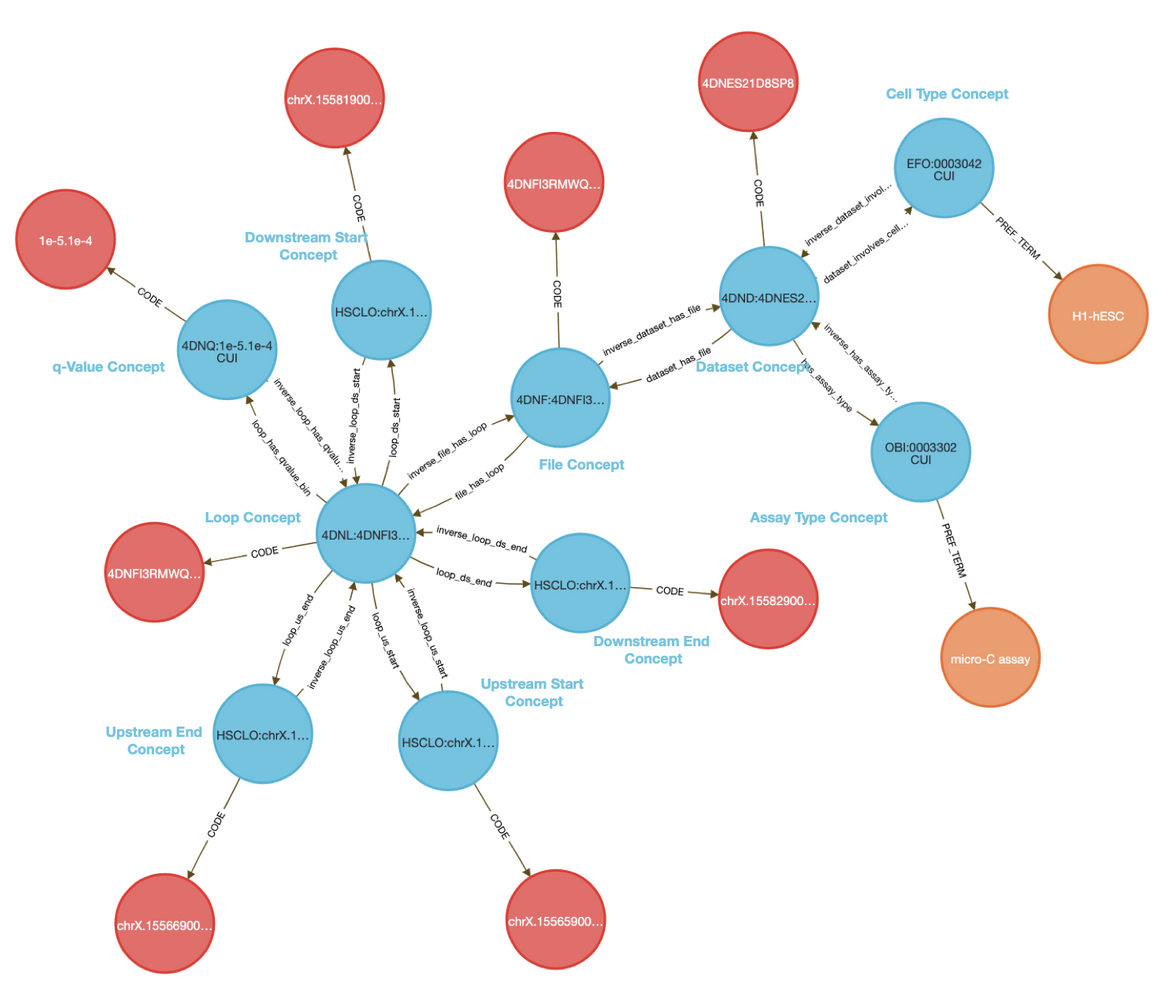
CFDE DD-Knowledge Graph

The CFDE Data Distillery Knowledge Graph contains entities and relationships across the CFDE. View ADGRL3's neighborhood in the knowledge graph.
Playbook Workflow Builder
Playbook Workflow Builder: Gene-Centric Workflow

View Gene-Centric information about the gene from a pre-built PWB workflow. View the workflow with ADGRL3.

Gene Partnership Appyter
CFDE Gene-Centric Appyter

The CFDE Gene Centric Appyter Resolves and Displays Gene-Centric information from CFDE APIs. Execute the Appyter using ADGRL3.

Gene and Drug Landing Page Aggregator
GDLPA Landing Pages Links

The Gene and Drug Landing Page Aggregator (GDLPA) finds links to primary and secondary source information from CFDE and other resources. Discover landing pages for ADGRL3.

Playbook Workflow Builder

The Playbook Workflow Builder helps you interactively construct workflows leveraging CFDE APIs without code. Start a new workflow with ADGRL3.

Results found

Linked to

DISPLAY PER PAGE
This repository is under review for potential modification in compliance with Administration directives.