PEX5 (Gene)

Synonyms:ENTREZ:5830, HGNC:9719, MIM:600414, NM_000319, NM_001131023, NM_001131024, NM_001131025, NM_001131026, NM_001300789, NM_001351124, NM_001351126, NM_001351127, NM_001351128, NM_001351130, NM_001351131, NM_001351132, NM_001351133, NM_001351134, NM_001351135, NM_001351136, NM_001351137, NM_001351138, NM_001351139, NM_001351140, NM_001374645, NM_001374646, NM_001374647, NM_001374648, NM_001374649, NP_000310, NP_001124495, NP_001124496, NP_001124497, NP_001124498, NP_001287718, NP_001338053, NP_001338055, NP_001338056, NP_001338057, NP_001338059, NP_001338060, NP_001338061, NP_001338062, NP_001338063, NP_001338064, NP_001338065, NP_001338066, NP_001338067, NP_001338068, NP_001338069, NP_001361574, NP_001361575, NP_001361576, NP_001361577, NP_001361578, PBD2A, PBD2B, PEX5, PTS1-BP, PTS1R, PXR1, RCDP5, XM_011520793, XM_011520795, XM_011520802, XM_017019745, XM_017019748, XM_017019749, XP_011519095, XP_011519097, XP_011519104, XP_016875234, XP_016875237, XP_016875238, XR_001748833, peroxisomal biogenesis factor 5
Omim:OMIM:600414
Id:ENSG00000139197
Hgnc:HGNC:9719
Entrez:5830
Description:peroxisomal biogenesis factor 5
The product of this gene binds to the C-terminal PTS1-type tripeptide peroxisomal targeting signal (SKL-type) and plays an essential role in peroxisomal protein import. Peroxins (PEXs) are proteins that are essential for the assembly of functional peroxisomes. The peroxisome biogenesis disorders (PBDs) are a group of genetically heterogeneous autosomal recessive, lethal diseases characterized by multiple defects in peroxisome function. The peroxisomal biogenesis disorders are a heterogeneous group with at least 14 complementation groups and with more than 1 phenotype being observed in cases falling into particular complementation groups. Although the clinical features of PBD patients vary, cells from all PBD patients exhibit a defect in the import of one or more classes of peroxisomal matrix proteins into the organelle. Defects in this gene are a cause of neonatal adrenoleukodystrophy (NALD), a cause of Zellweger syndrome (ZWS) as well as may be a cause of infantile Refsum disease (IRD). Alternatively spliced transcript variants encoding different isoforms have been identified. [provided by RefSeq, Oct 2008]

Analyze

Data Distillery
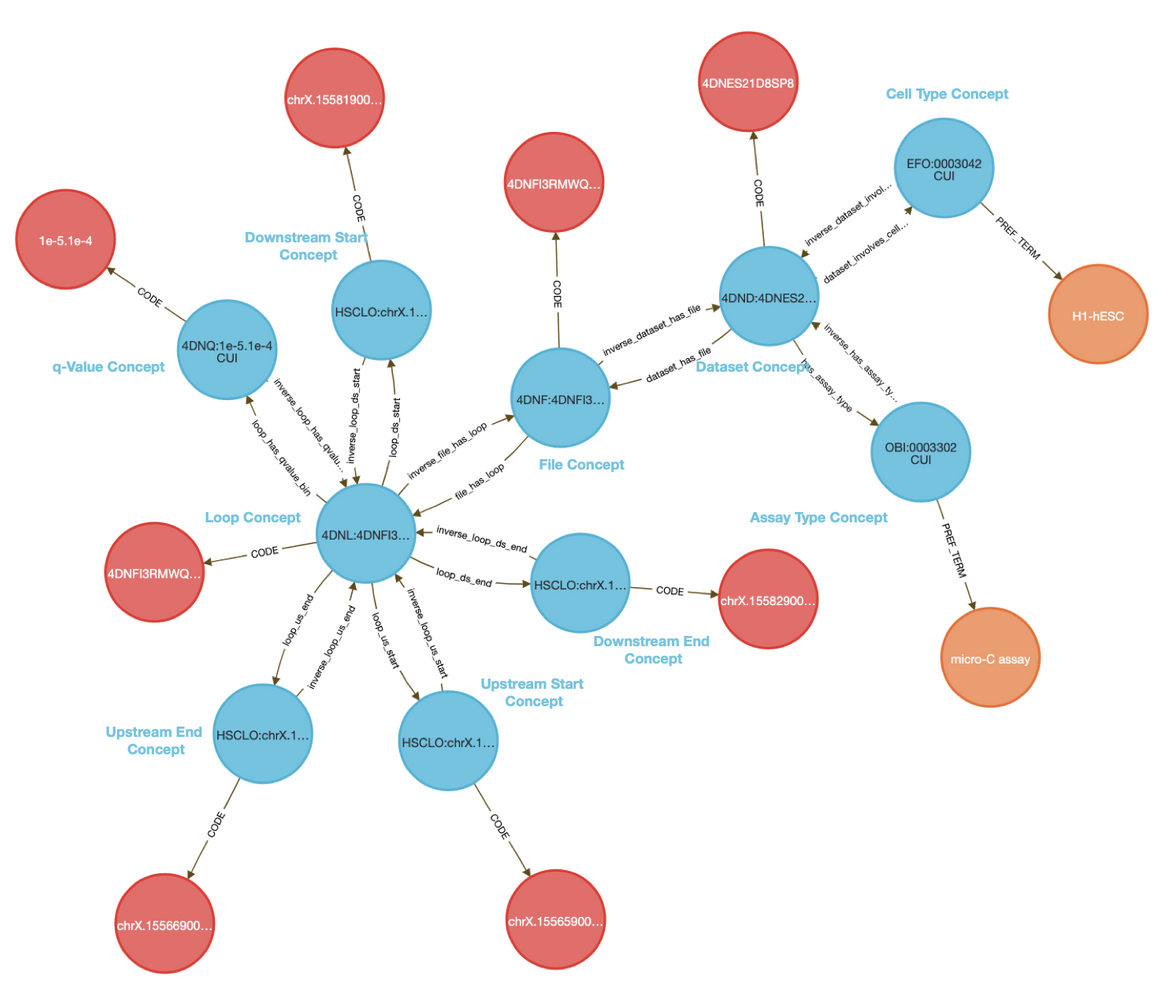
CFDE DD-Knowledge Graph

The CFDE Data Distillery Knowledge Graph contains entities and relationships across the CFDE. View PEX5's neighborhood in the knowledge graph.
Playbook Workflow Builder
Playbook Workflow Builder: Gene-Centric Workflow

View Gene-Centric information about the gene from a pre-built PWB workflow. View the workflow with PEX5.
Gene Partnership Appyter
CFDE Gene-Centric Appyter

The CFDE Gene Centric Appyter Resolves and Displays Gene-Centric information from CFDE APIs. Execute the Appyter using PEX5.

Gene and Drug Landing Page Aggregator
GDLPA Landing Pages Links

The Gene and Drug Landing Page Aggregator (GDLPA) finds links to primary and secondary source information from CFDE and other resources. Discover landing pages for PEX5.

Playbook Workflow Builder

The Playbook Workflow Builder helps you interactively construct workflows leveraging CFDE APIs without code. Start a new workflow with PEX5.

Results found

Linked to

DISPLAY PER PAGE
This repository is under review for potential modification in compliance with Administration directives.